About Tatiana Aya Tupinambá
Tatiana Aya Tupinambá is an Indigenous Tupinambá woman. She is a curandera in the Ashaninka lineage of Peru, and she also studies in the Yawanawá lineage of Brazil. She trained for more than ten years under Maestro Juan Flores Salazar in Peru, before he passed on, at his center on the banks of the sacred boiling river, Shanay-Timpishka. She carries the medicine with the seriousness of someone who was called to it, and grounds every ceremony in lineage, intention, and the wellbeing of each person in the circle. Her ceremonial name, Aya, means little bird in Yawanawá. It was given to her by the tribe.
Curandera: the documentary
Curandera is a documentary directed by Alexia Kraft de la Saulx, filmed in the Peruvian Amazon over several years. It follows Tatiana Aya Tupinambá and the people who come to work with her, and captures ceremony, healing, and the particular quality of attention the medicine demands. The film does not explain the medicine; it witnesses it.
Seen by over 1.9 million people and winner of multiple film festival awards.
Awards
Best Documentary Short
- Niagara Falls International Short Festival 2025
- LA Independent Women Film Awards 2025
Best Young Filmmaker
- Cinematography and Photography Awards 2024
Best Female Director
- Cinematography and Photography Awards 2024
Best Cinematography
- Sacramento Independent Film Festival 2025
Best Life Story
- ART&TUR 2025
Official Selections
- Atlanta Docufest 2025
- Awareness Festival 2024
- Red Nation International Film Festival 2025
Her home
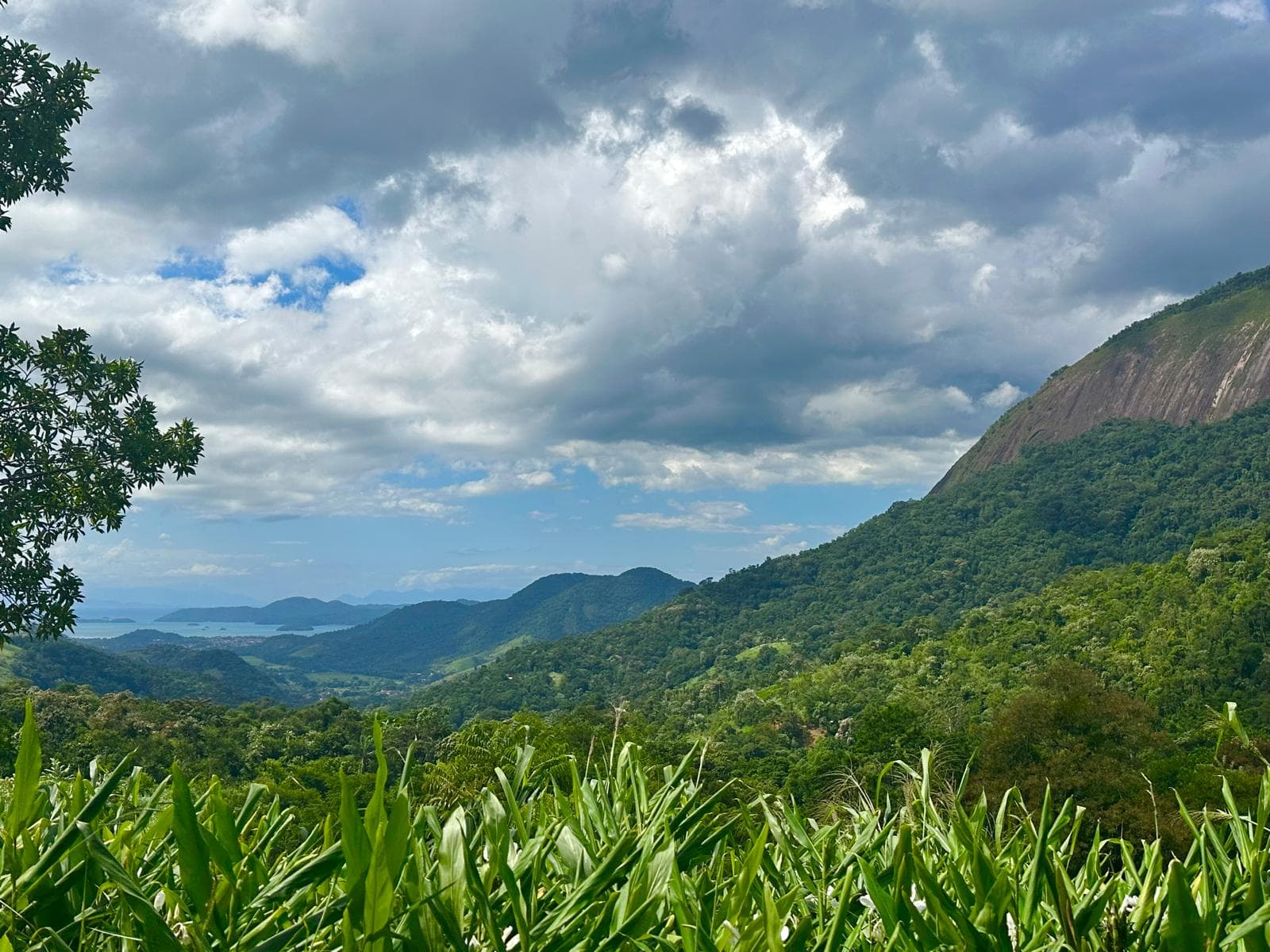
For as long as she can remember, Tatiana dreamed of living deep within the rainforest, in a place she could call her own: running water, flowers, abundant life on every side, and still a view of the ocean. Tekoha is that dream made real. It sits on preserved land deep in the Atlantic rainforest, surrounded by national park. The people here have lived on this ground for many generations, caring for the land and the trees rather than clearing them. That is why trees more than five hundred years old still stand along the paths.